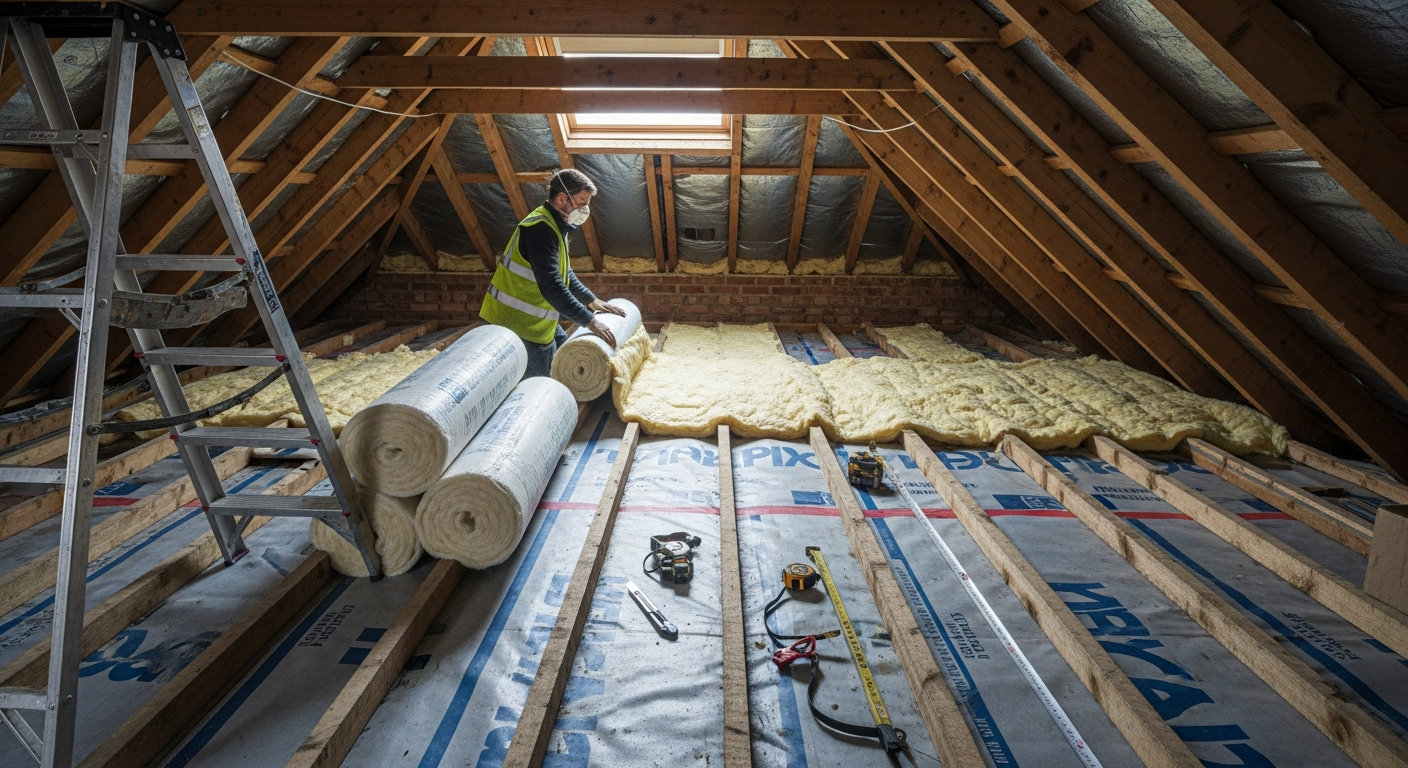
Domestic Loft Insulation in Walsall
A warm home starts at the top. We fit loft insulation that cuts your heating bills and keeps the damp away — done in a day by our own team, with minimal mess.
A few winters back, a lady over in Bloxwich rang us up sounding worn out. Her back bedroom was so cold the kids had stopped sleeping in it, and her heating bills kept creeping up no matter what she tried. We popped up into her loft and spotted the trouble straight away. The old insulation was thin, squashed flat, and had slipped, leaving big gaps between the joists. Heat was pouring out through the roof like steam off a cuppa. One day's work later she had a proper thick layer of loft insulation, and by the next week she told us that bedroom finally felt warm.
Stories like that are why we love this job. Loft insulation is not fancy. It is just one of the cheapest, smartest things you can do to keep your home warm and your bills down. So let's walk through what it is, the types we fit, and how we would sort yours out — the way we'd explain it to a mate over the garden fence.
Why loft insulation matters so much
Heat rises. It is that simple. If your loft is not insulated, the warmth from your rooms floats straight up and out through the roof. In fact, around a quarter of the heat in a home with no loft insulation escapes that way, according to the Energy Saving Trust. That is money leaving your house every single hour the heating is on.
Think of loft insulation like a warm hat for your house. Put a good thick layer down and the heat stays where you want it — in your rooms, not in the sky over Walsall. You get warmer bedrooms upstairs, lower bills, and far less of that cold, clammy feeling that leads to damp and condensation. Older homes around here, like the Victorian terraces in Caldmore or the 1930s semis in Rushall, feel the difference the most.
The magic number is 270mm. That is the depth the government recommends for a modern loft, and it is what we aim for on every job. Best of all, it is quick. Most lofts are done in a day.
Signs your loft could do with more insulation
Not sure if yours needs doing? These are the tell-tale signs we hear about most from Walsall homeowners:
- Your upstairs rooms feel noticeably colder than downstairs.
- Your heating bills keep climbing, but the house never really feels warm.
- You can see thin, patchy, or flattened old material when you peek into the loft.
- Frost sits on your roof long after your neighbours' roofs have thawed.
- You've spotted damp patches, black spots, or a musty smell up in the roof space.
- Your home was built, or last insulated, more than fifteen years ago.
If a few of those ring true, a quick look will tell you for sure. There is no charge and no pressure — we would rather give you honest advice than sell you something you do not need.
The types of loft insulation we fit
There is no single "best" type. The right one depends on your loft, your roof, and what you want to use the space for. Here are the three we fit most, what they are, and when we would pick each. Under each one you'll find a real before-and-after from our own jobs.
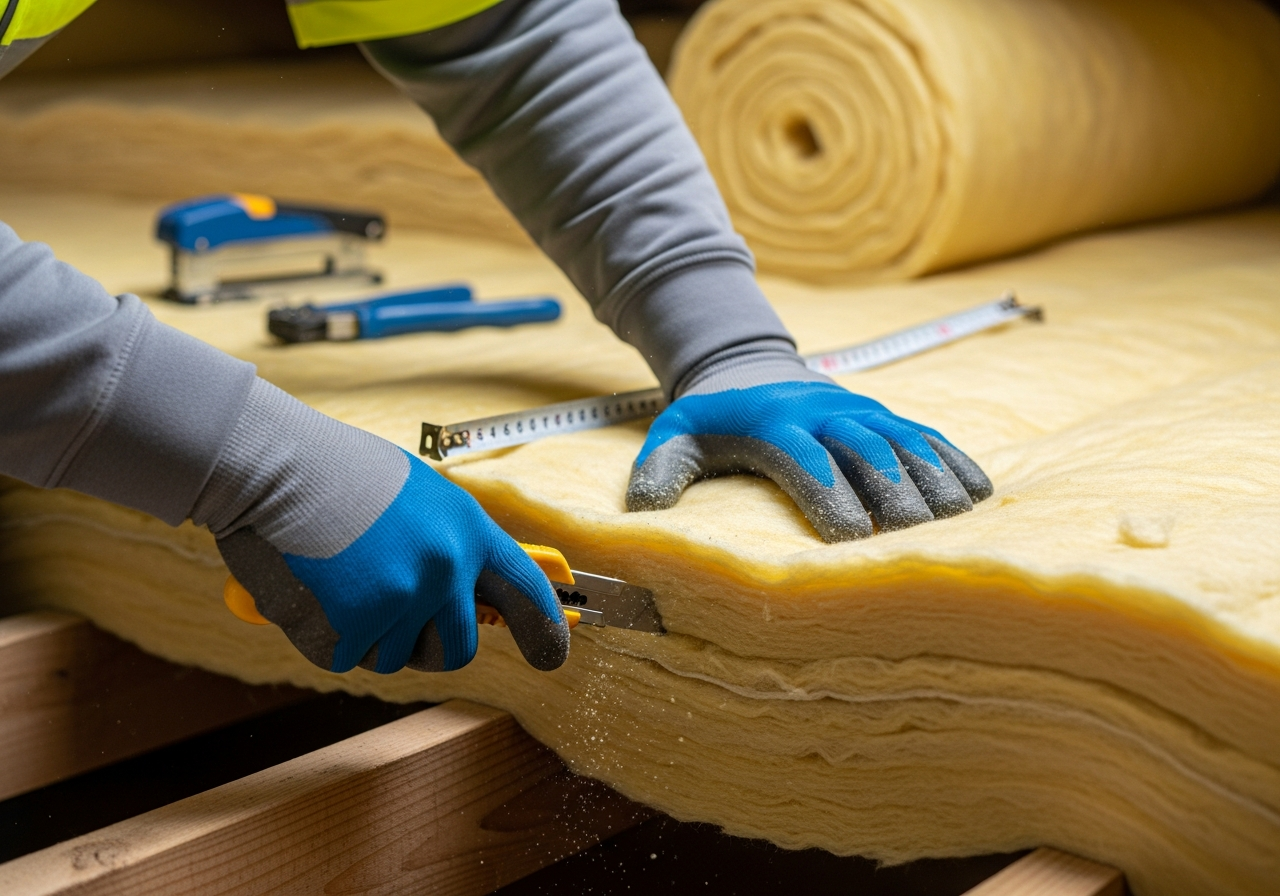
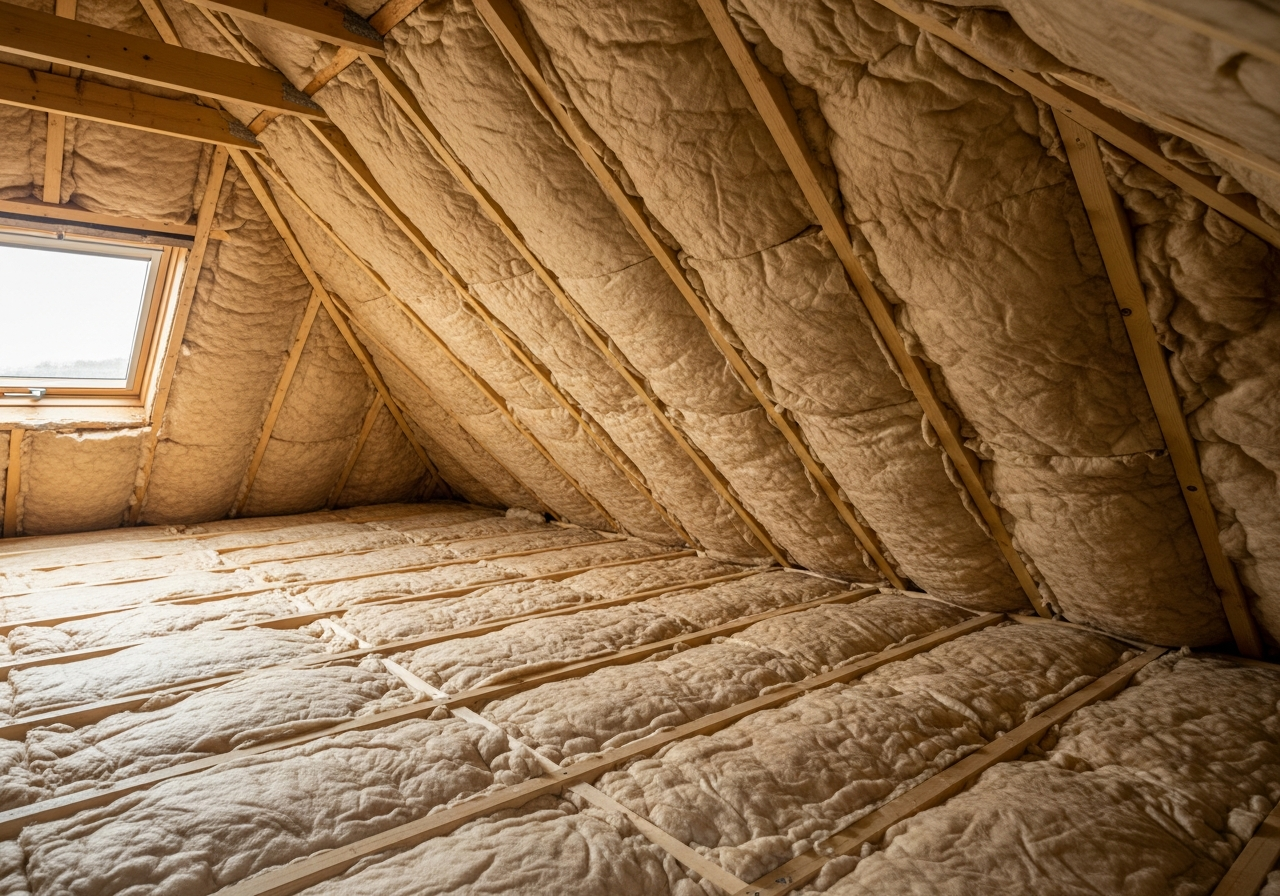
Mineral Wool Insulation
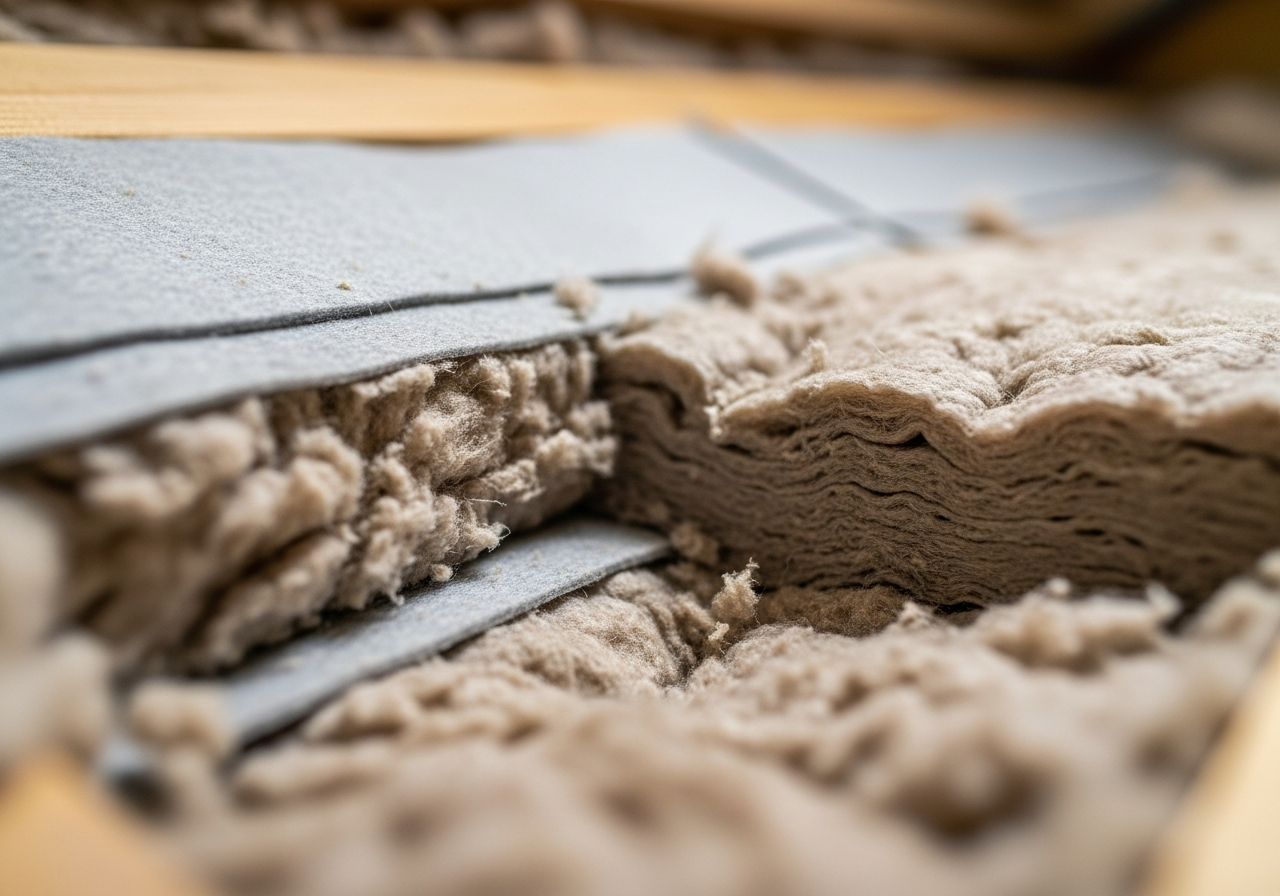
This is the classic one, and the type most Walsall homes get. Mineral wool comes in big soft rolls, either glass wool or rock wool. We lay it between the joists, then a second layer over the top going the other way, building it up to that 270mm depth. It traps warmth brilliantly, it is fire-safe, and it is the kindest on your wallet — usually from about £18 per square metre.
We fit mineral wool when you have a normal cold loft and you mainly want warmth and a bit of storage space. It is the safe, sensible choice for most homes, and the one we reach for first.
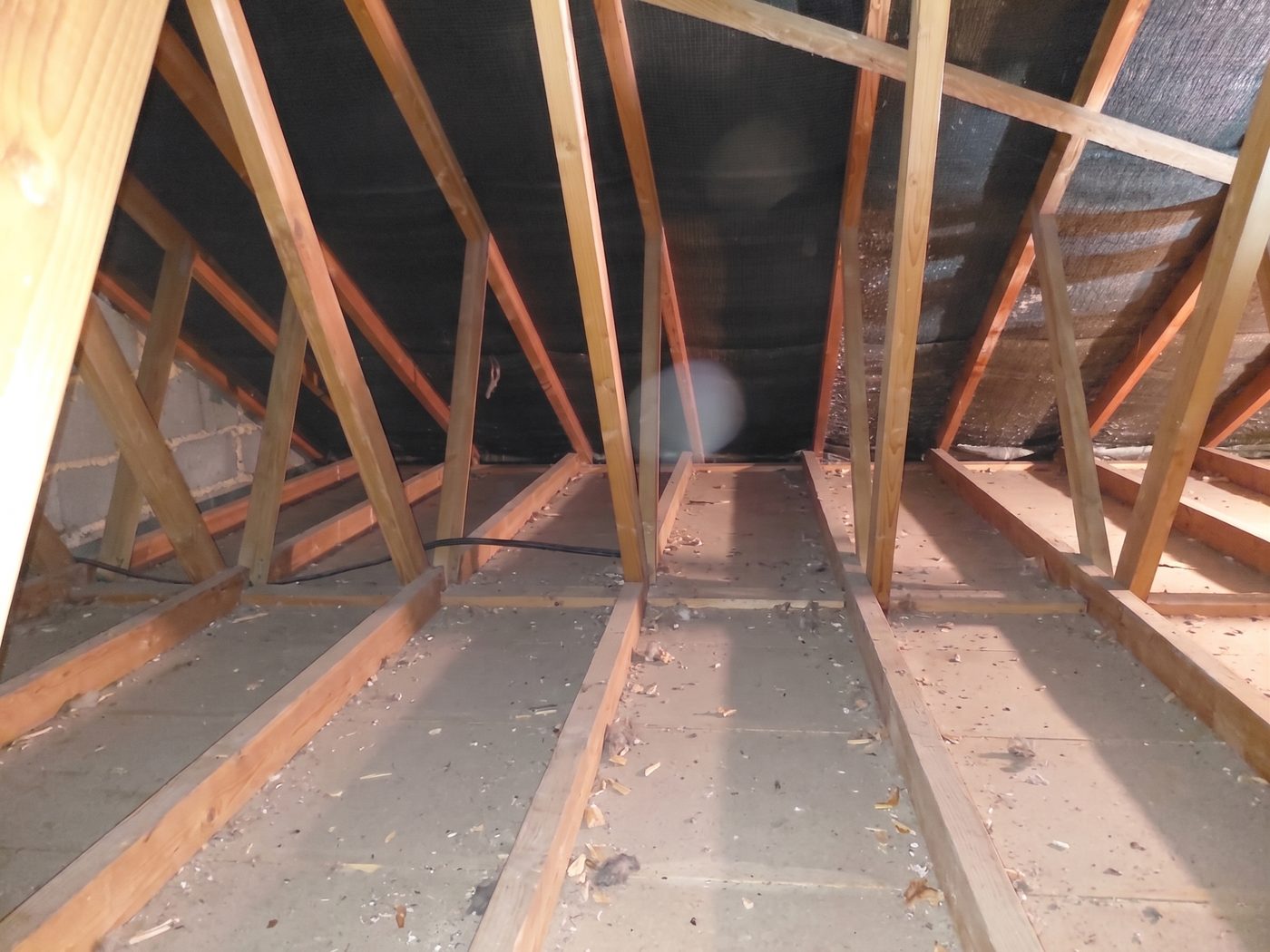
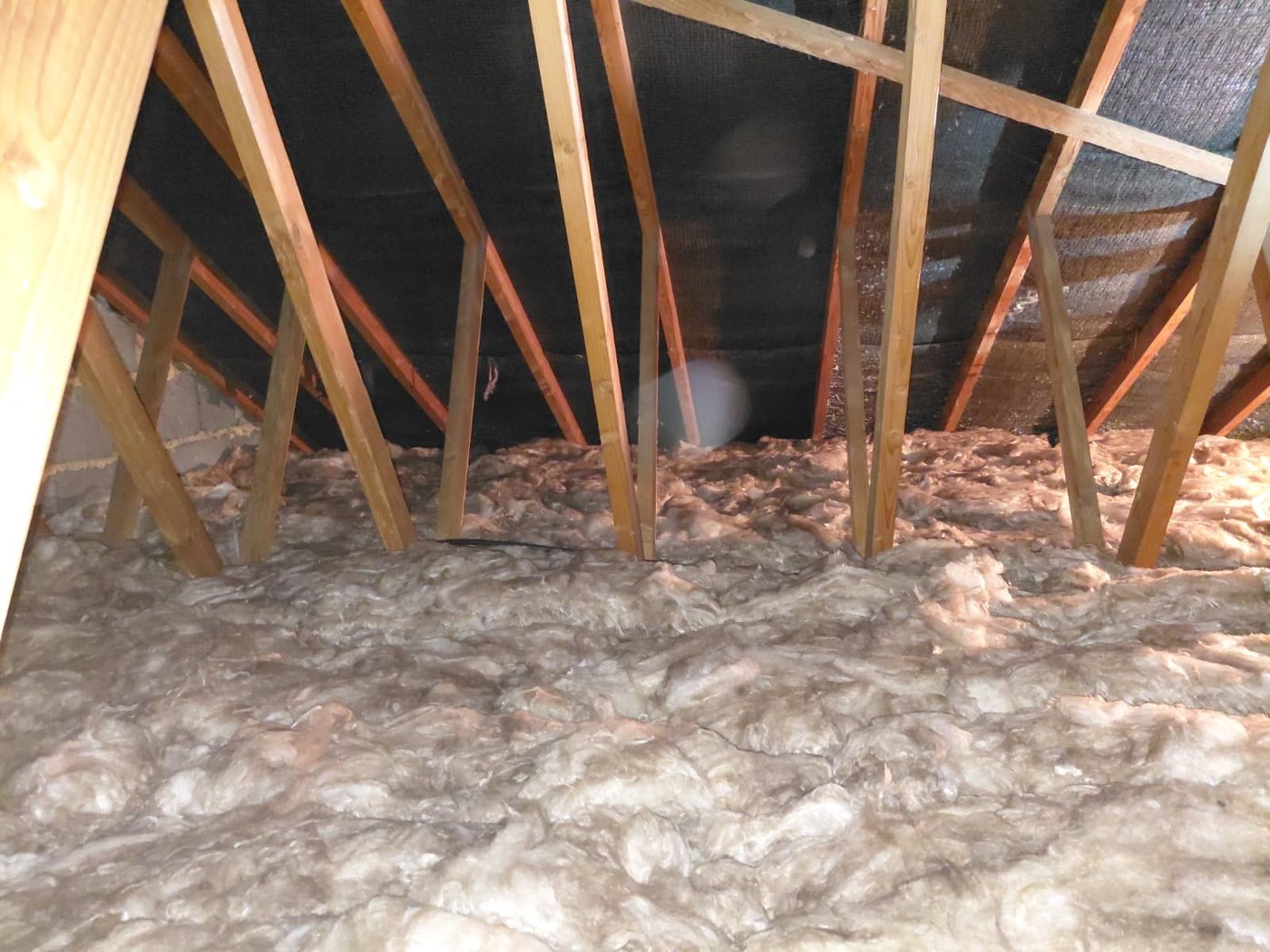
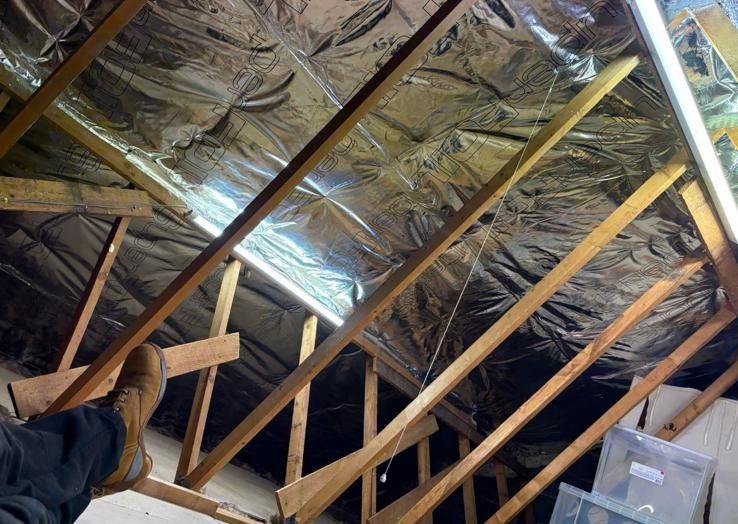
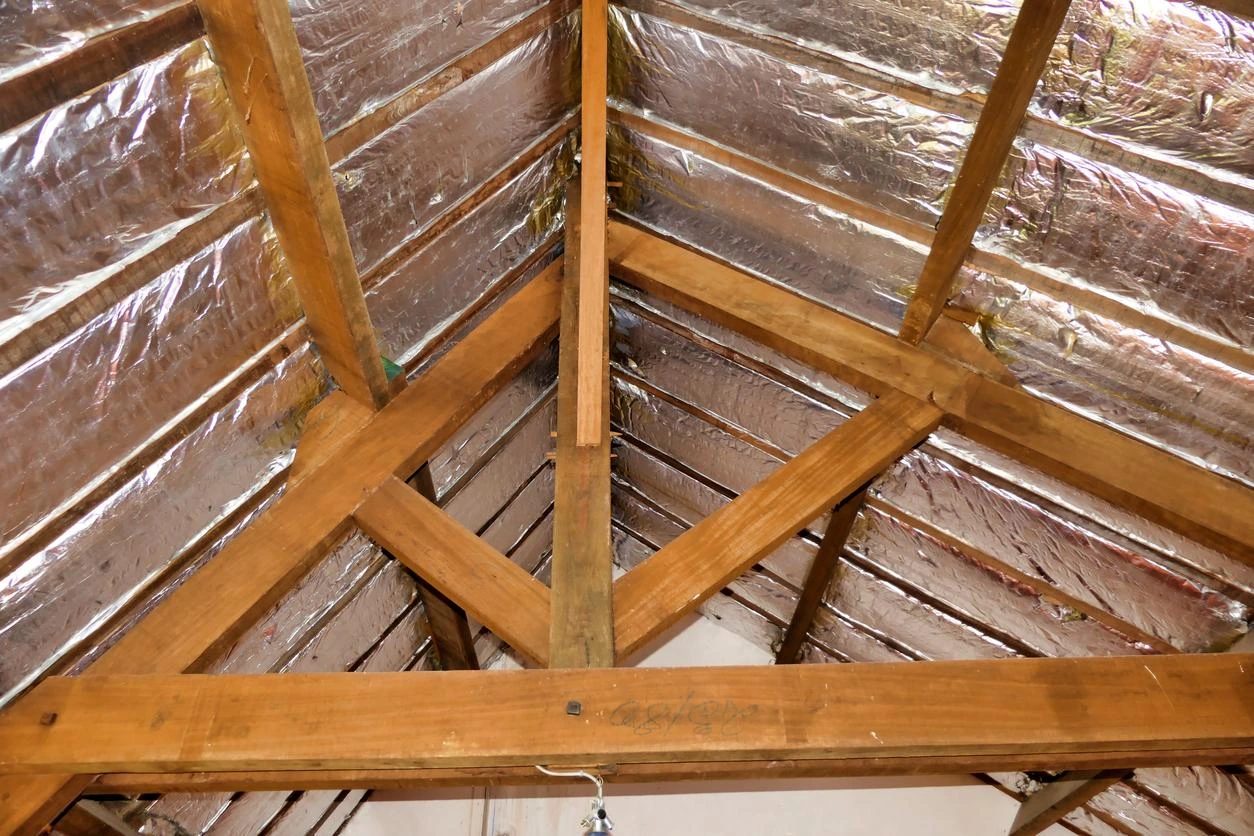
Super Foil (Multifoil) Insulation
Super foil is clever stuff. It is a thin, quilted blanket made of lots of shiny foil layers, and it works by bouncing heat back into your home instead of soaking it up. Because it is so slim, it is brilliant where space is tight.
We use super foil when you have sloping ceilings, a room in the roof, or a loft conversion where every inch of headroom counts. You would not want to lose a foot of head height to thick rolls up there, so a slim foil layer earns its keep. It costs a bit more per square metre than mineral wool, but the space it saves is often worth it.
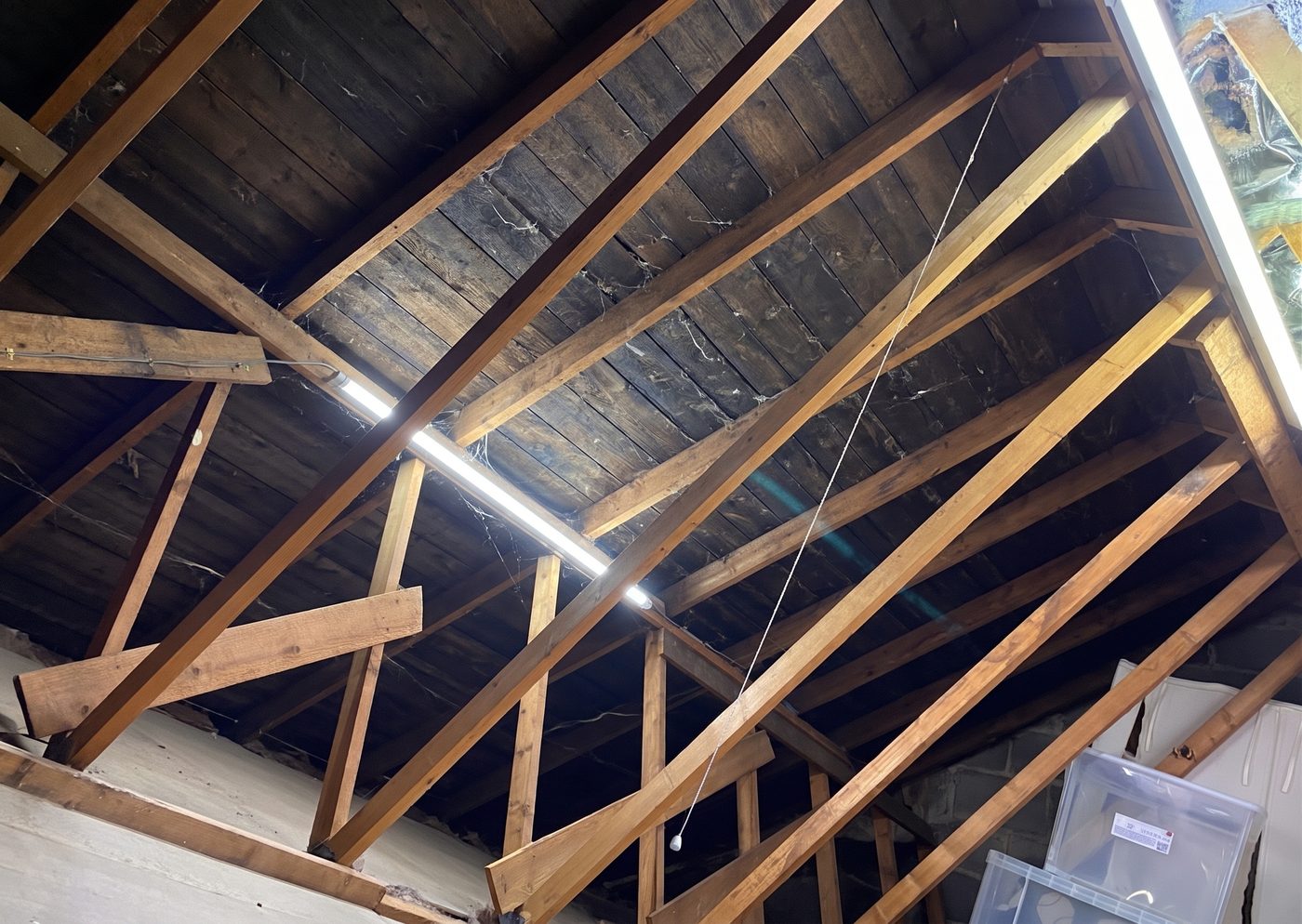
Insulation Boards (e.g. Celotex)
Insulation boards are rigid foam panels — brands like Celotex, Kingspan and EcoTherm are the ones you'll have heard of. They pack a lot of warmth into a thin board, so you get top performance without much thickness. We cut them to fit snugly between rafters or joists.
We choose boards for warm-roof jobs, dormers, sloping ceilings, and spots where we want a strong result in a slim space. They cost more than mineral wool, but when headroom or high performance matters, they are hard to beat. Often we mix and match — boards on the slopes, mineral wool on the flat — to get the best of both.
Grants and schemes worth knowing about
Energy prices have jumped a lot in the last few years, so insulation pays you back faster than it used to. The good news is there is help out there. Schemes like ECO4 and the newer Great British Insulation Scheme can cover some or all of the cost for households that qualify.
Round here, plenty of Walsall homes are eligible — often folks over 60, people on certain benefits, or homes in a lower council tax band. We will look at your situation and tell you honestly whether you can get help. No hard sell, no wasting your time. If you qualify, we will walk you through it.
Getting the depth and the airflow right
Here is where the skill comes in. Two things make or break a loft insulation job, and cheap jobs get them wrong.
First, depth. Aim for 270mm. Thinner than that and you are leaving warmth on the table. The Building Regulations (Approved Document L) set the standards here, and we work to them.
Second, airflow. Your roof needs to breathe. If insulation is stuffed right into the eaves and blocks the vents, moist air gets trapped and you end up with damp and mould — the exact opposite of what you wanted. We always keep those eaves gaps clear so air can move.
One last tip: if you want to keep using the loft for storage, do not board straight over the insulation, because that squashes it flat and kills the warmth. We fit raised loft boarding that sits above the insulation, so you keep the full depth and still get a solid floor for your boxes.
What it's like working with us
We are not a call centre that passes your job to someone else. Our own team turns up, does the work, and cleans up after. We carry £5m public liability insurance, we are registered with the ICO for handling your details properly, we back our work with a 10-year guarantee, and you only pay once the job is done.
Every job starts with a free survey. We climb up, take a proper look, and give you honest advice on what your loft actually needs — not what makes us the most money. And if we find old spray foam up there causing damp or mortgage headaches, we can strip it out first and then insulate the roof the right way.
Getting your loft sorted is usually quick, cheap, and makes a difference you will feel by the next cold snap. If your upstairs is chilly or your bills keep climbing, let's have a look. Give us a ring for a free, no-obligation survey and we'll tell you straight what we'd do.
How It Works
From the first look to the final tidy-up — here's what to expect when you work with us.
Free Survey
We come up into your loft, take a proper look, and tell you honestly what it needs — with no obligation.
Prep & Protect
We clear the loft where needed and lay dust sheets to keep your home clean before any material goes down.
Fit It Right
Our own team lays the insulation to 270mm, keeping the eaves clear so your roof can still breathe.
Tidy Finish
We leave your loft clean and usable, and show you how to get the most from your new insulation.
What Our Customers Say
Trusted by homeowners across Walsall — here's what they have to say.
"Our back bedroom was freezing every winter. They topped up the loft in a day and it made an instant difference — warmer upstairs and a cheaper heating bill."
"Clean, quick and friendly. They kept the eaves clear and explained why that mattered. No mess left behind and a proper 270mm layer."
"We wanted to keep using the loft for storage, so they fitted raised boarding over the insulation. Warm home and we didn't lose our space. Spot on."
Frequently Asked Questions
Mineral wool loft insulation usually starts from around £18 per square metre. The final price depends on the size of your loft, the depth needed, the type you choose, and whether any old material has to come out first. We give you a clear written quote after a free survey, with no obligation.
About a quarter of the heat in a home with no loft insulation escapes through the roof, so getting your loft up to the recommended 270mm depth can make a real dent in your heating bills and keep your rooms warmer for longer. The exact saving depends on your home and how well the rest of it is insulated.
Most lofts are done in a single day. A bigger loft, a tricky roof shape, or removing old material first can push it into a second day. We give you a clear timescale after the free survey so there are no surprises.
Not when it is fitted properly. We keep the air gaps at the eaves clear so your roof can still breathe, which is exactly what stops condensation forming. Problems only happen when insulation is stuffed in badly and blocks the airflow, and that is what we are careful to avoid.
Yes. We fit raised loft boarding that sits above the insulation, so you keep the full depth of insulation and still get a solid, usable floor for your boxes. Boarding straight onto the joists squashes the insulation and loses you warmth, so we avoid that.
Possibly. Schemes like ECO4 and the Great British Insulation Scheme help some households pay for loft insulation, especially if you are over 60, on certain benefits, or in a lower council tax band. We will check honestly whether you qualify and help you through it, with no hard sell.
Ready for a Warmer, Cheaper-to-Heat Home?
Book a free, no-obligation loft survey. We'll tell you honestly what your loft needs, give you a fixed-price quote, and check whether you qualify for a grant.