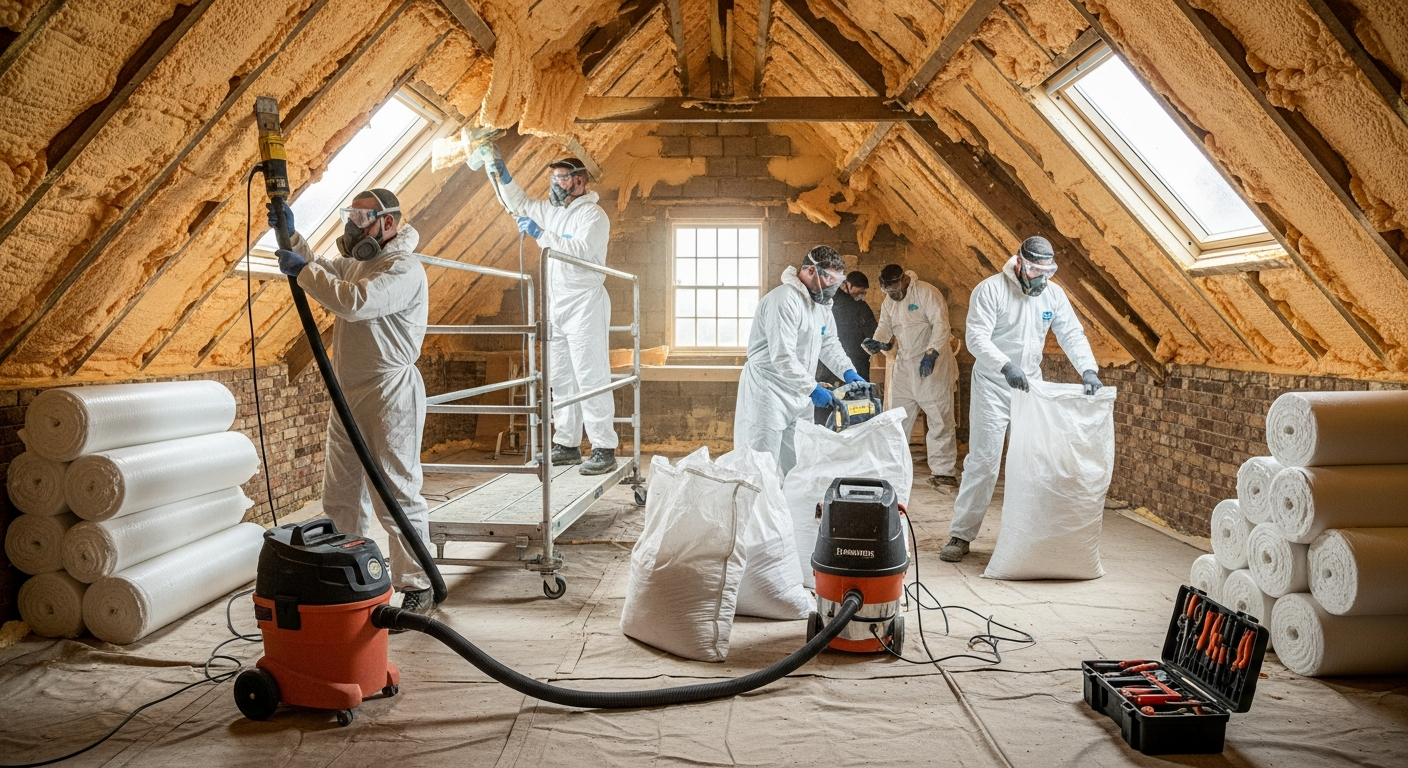
Spray Foam Removal in Walsall
Foam blocking your sale or remortgage? We strip it out safely, restore your roof timbers and ventilation, and hand you the mortgage-compliant paperwork lenders and surveyors ask for.
A couple in Walsall rang us in a real state last spring. They were days from completing on their house sale when the buyer's surveyor spotted spray foam in the loft. The lender pulled the mortgage offer on the spot, and just like that the whole sale froze. Months of planning, boxes half packed, and it all hung on a loft full of foam. We went in, stripped it out, restored the roof, and handed them the paperwork the lender needed. The sale went through a couple of weeks later.
We hear stories like that most weeks. Spray foam removal is the heart of what we do, and it is almost always about getting a mortgage, sale or remortgage moving again. Here is how it works and why it matters.
Why lenders and surveyors flag spray foam
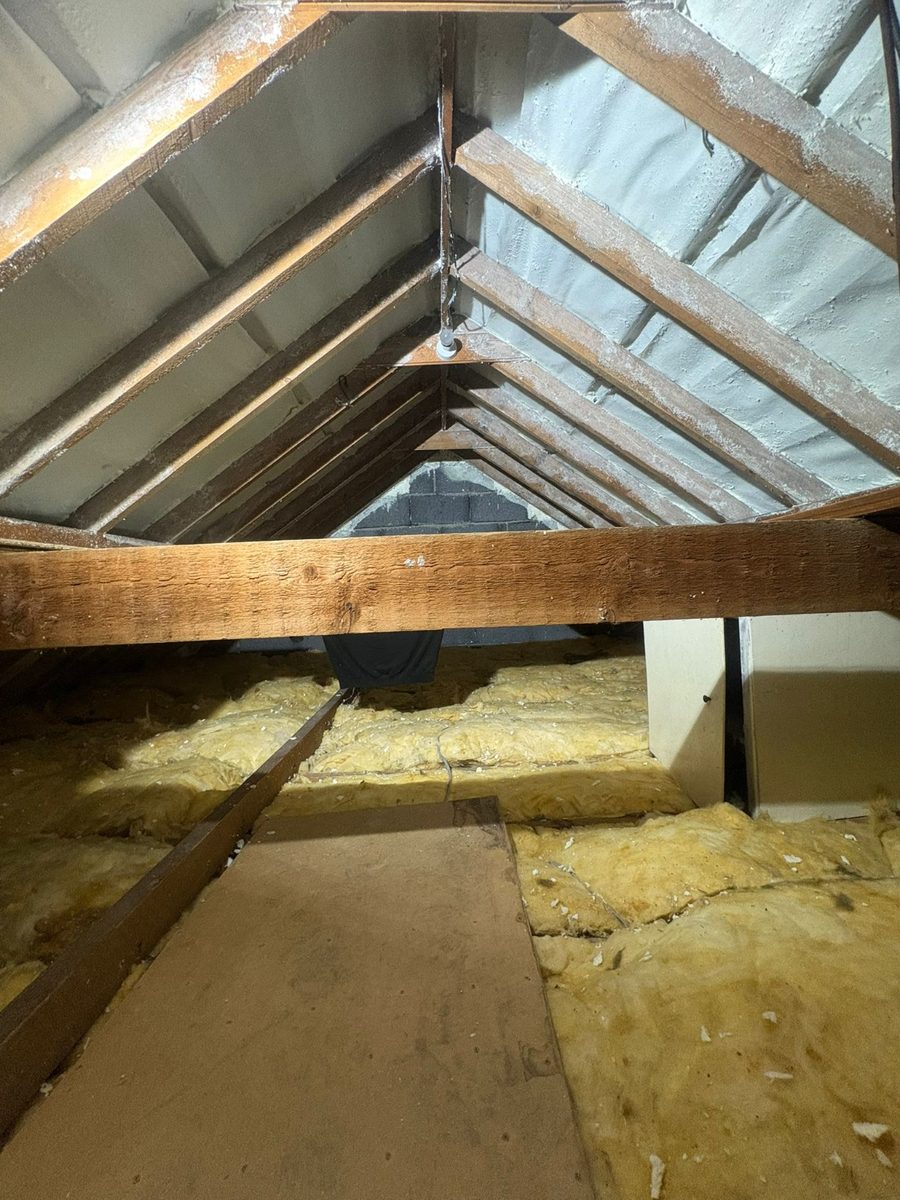
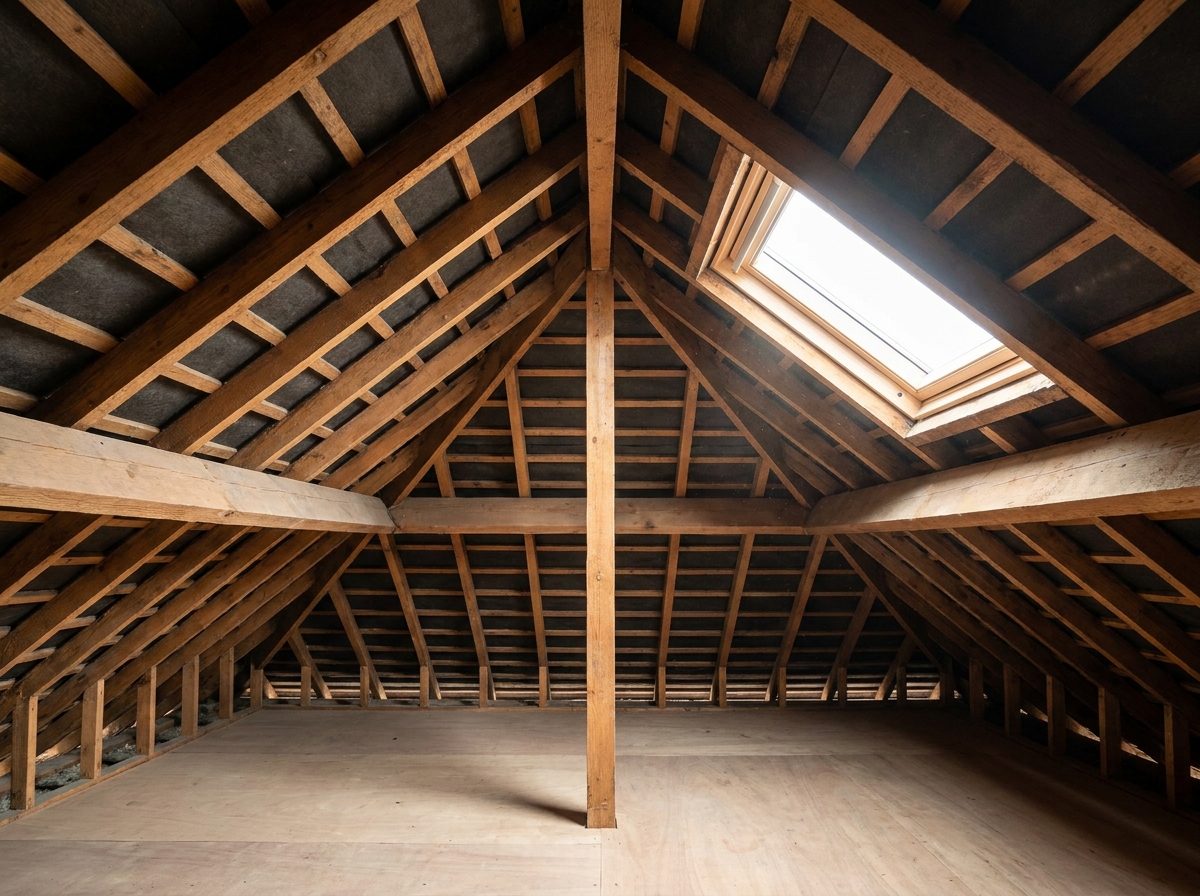
It usually comes as a shock. Most people had spray foam put in years ago to warm up a cold roof, and had no idea it would become a problem. But when a surveyor climbs into the loft, they need to see the roof timbers to check they are sound. Spray foam sprayed straight onto the timber or the underside of the tiles hides all of that from view.
On top of that, foam can trap moisture against the timbers, which over time can lead to rot, and it can block the airflow the roof needs to breathe. Because the surveyor cannot sign off on what they cannot see, lenders treat it as a risk. That means a declined mortgage, a lower valuation, or a remortgage or equity release that stalls. The Royal Institution of Chartered Surveyors (RICS), whose standards surveyors work to, has warned that spray foam can affect whether a property is mortgageable at all.
Signs you need your spray foam removed
You probably already know, but these are the situations we get called about again and again:
- A surveyor has flagged spray foam in a homebuyer or valuation report.
- Your mortgage, remortgage or equity release has been declined or delayed.
- You are trying to sell and the buyer's lender is refusing to lend.
- Foam has been sprayed directly onto the roof timbers or the felt.
- You have noticed a musty, damp smell or condensation in the loft.
- You are buying a house you love, but it has spray foam in the roof.
If any of those ring true, the fix is nearly always the same: get the foam out properly and get the paperwork to prove it.
Can't I just get a report instead of removing it?
It is a fair question, and a few people try it. You can pay for a specialist survey of the foam, and now and then a lender will accept that on its own. But in our experience most lenders and surveyors still want the foam gone before they will lend, especially closed cell foam in an older roof. A report also does nothing about the damp or ventilation problems the foam might be causing up there. Nine times out of ten, removing it properly and handing over the certificate is the cleaner, faster route to a mortgage offer. We will give you an honest steer at the survey on what your particular lender is likely to want, so you are not spending money twice.
What happens if you leave it?
Spray foam does not fix itself. The mortgage problem stays exactly where it is, so any sale or remortgage will keep hitting the same wall. And if the foam is holding moisture against the timbers, time is not on your side — the longer it sits there, the more chance there is of rot creeping in, which can turn a simple removal into a bigger repair. In short, dealing with it sooner rather than later usually saves you both money and a lot of stress.
The types of spray foam we remove
Not all foam is the same, and the type changes how we tackle the job. Here are the two we deal with, plus the roof work that comes after, with photos from our own jobs where we have them.
Open Cell Spray Foam Removal
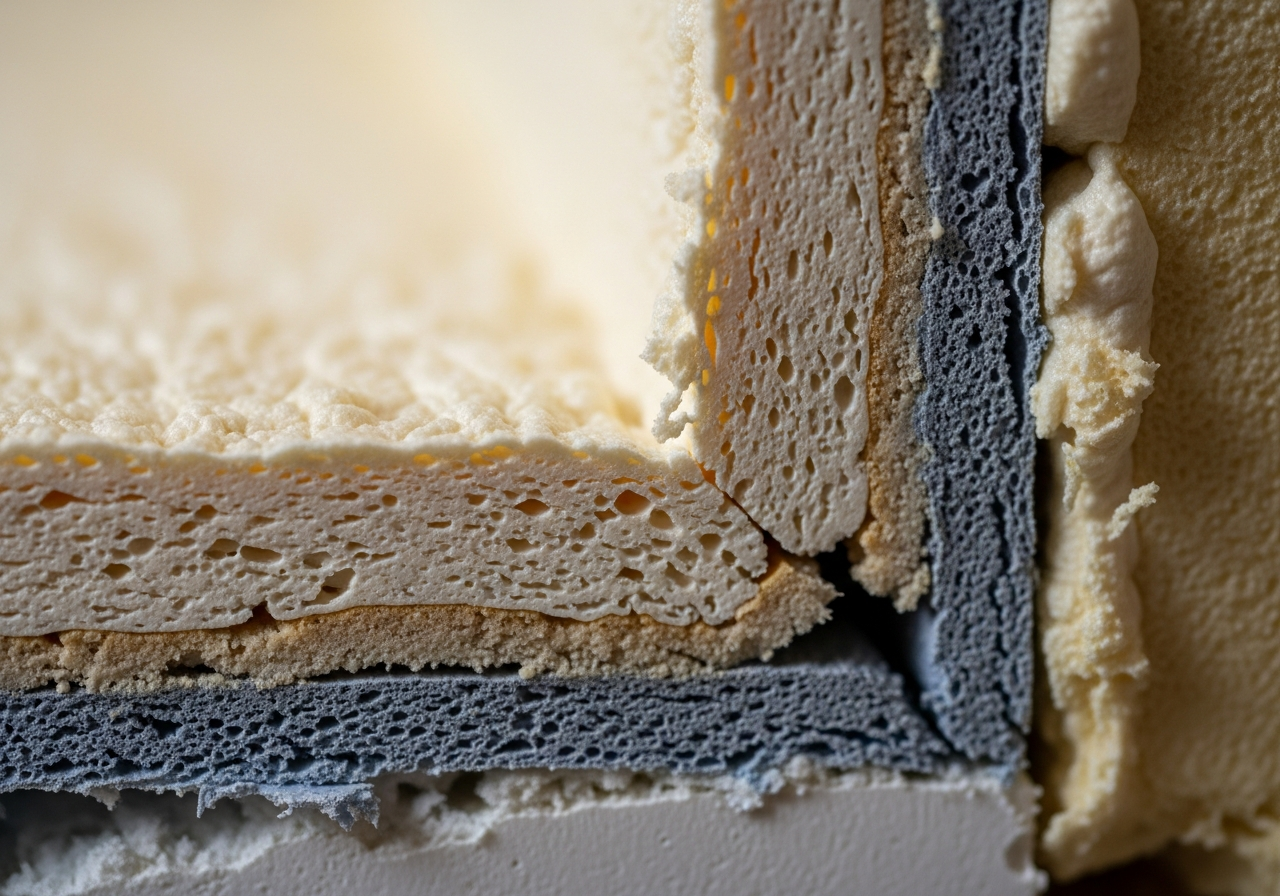
Open cell is the softer, spongier foam. It has not usually bonded as hard to the timber, so it tends to come away more easily. That does not make it a quick job, mind — it still has to be stripped off cleanly by hand so the timbers underneath are left bare and undamaged. But open cell is generally the more straightforward of the two to remove.
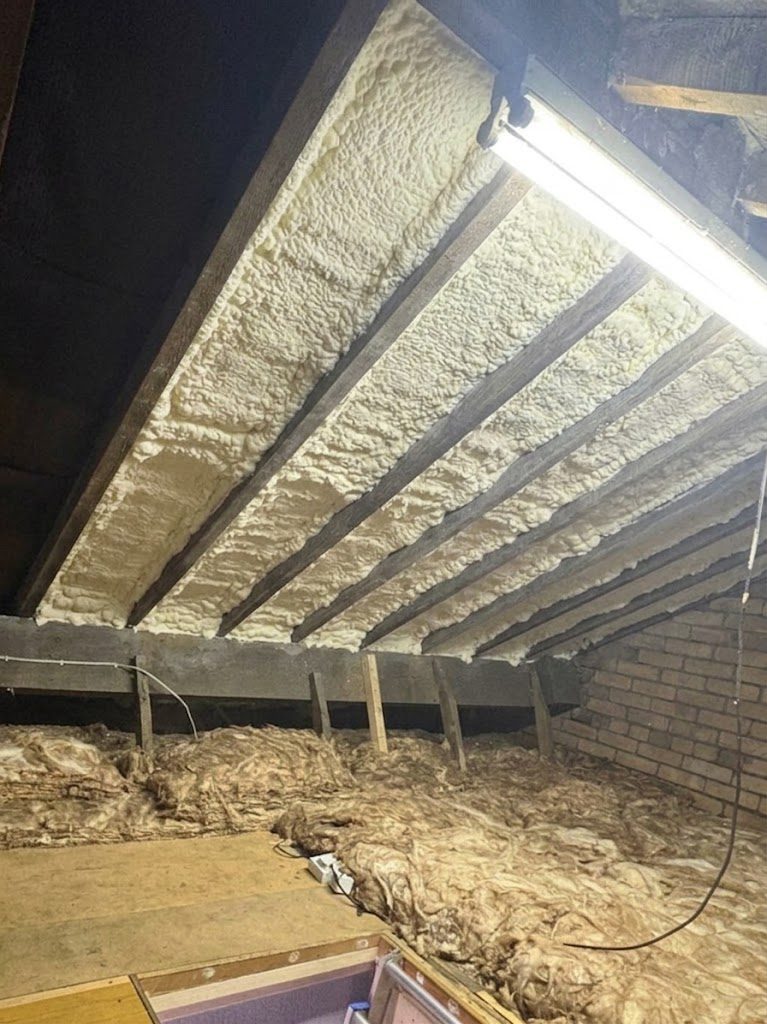
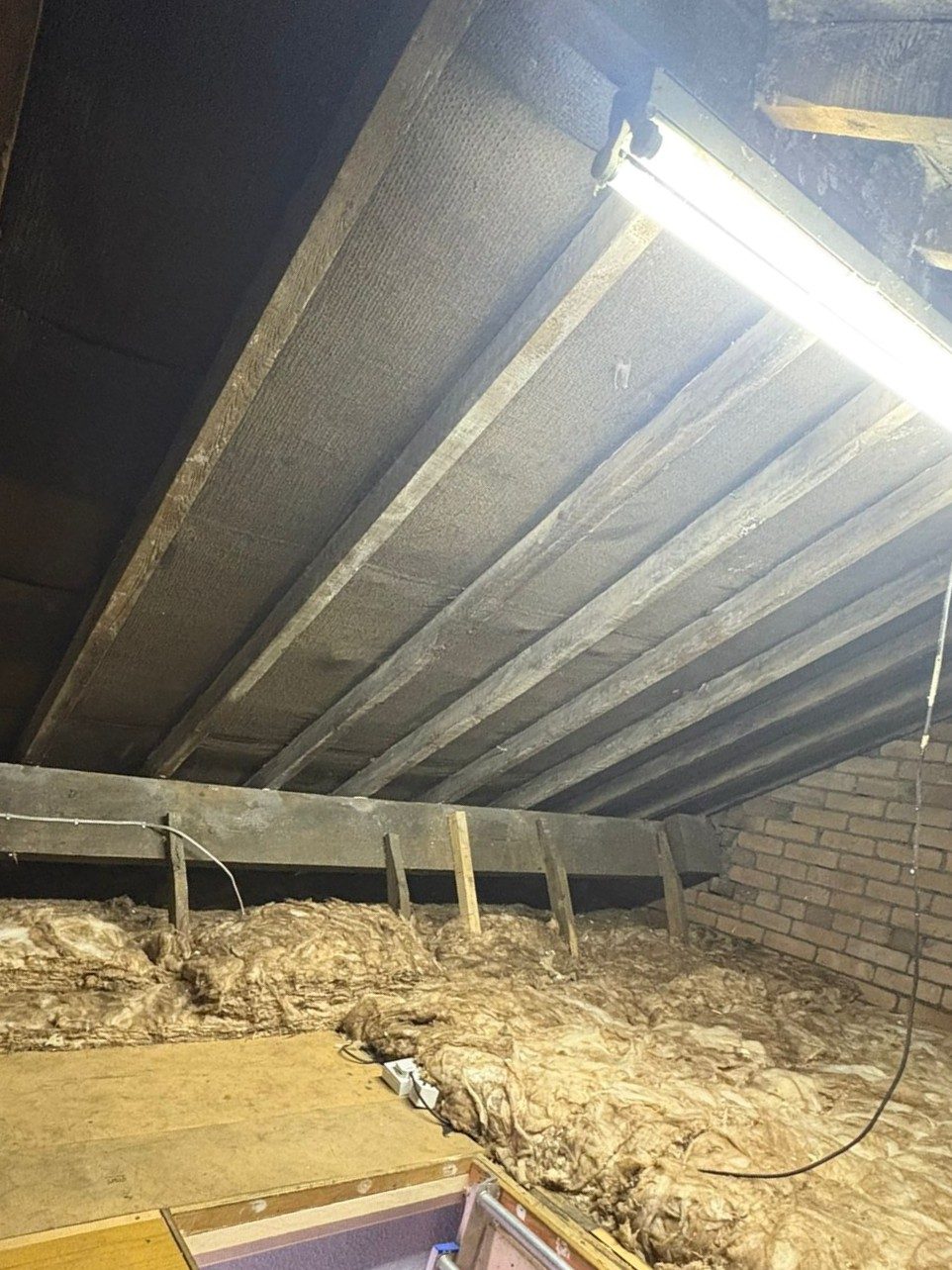
Closed Cell Spray Foam Removal
Closed cell is the tough one. It sets rock hard and bonds tightly to whatever it was sprayed onto, so getting it off the timbers is slow, careful work. Rush it and you risk damaging the very roof you are trying to save. Our crews take their time, working it off bit by bit so the timbers come out clean. It costs more than open cell removal because of the extra labour, but on a closed cell roof there is no shortcut worth taking.
Roof Timber Restoration & Ventilation
Getting the foam off is only half the job. Once the timbers are bare, we check them over for any rot or decay the foam may have hidden, and we put proper ventilation back so the roof can breathe again. A roof that breathes stays dry, and a dry roof is a healthy roof. This is the part that turns a stripped-out loft into a properly restored, mortgage-ready one.
The paperwork that gets your mortgage moving
This is the bit that really matters, and it is where a lot of cheaper jobs fall down. Stripping the foam is not enough on its own — the lender needs proof. So when we finish, you get a removal certificate confirming the foam is fully out, photographs from before, during and after, and notes on the timber condition and the ventilation work we did. That is the documentation surveyors and mortgage lenders actually ask for. We keep a copy on file too, in line with our ICO registration, in case you need it again down the line.
What about insulating the loft afterwards?
Once the foam is gone, your loft will feel the cold, so most people want it insulated properly. The good news is you can do it the right way this time, with a breathable method that keeps the roof healthy. We fit fresh loft insulation as part of the same visit if you want, so you end up warm, dry and mortgage-ready all in one go.
What it's like working with us
We are a local team, and our own crews do the removal from start to finish. We carry £5m public liability insurance, we are registered with the ICO for handling your details properly, we back our work with a 10-year guarantee, and you only pay once the job is done. Every job starts with a free survey, where we take an honest look and tell you exactly what your roof needs.
Every removal job includes:
- A full strip-out of open or closed cell foam by our own crew.
- A careful check of the roof timbers for any hidden damage.
- Restored ventilation so the roof can breathe again.
- A removal certificate, photos and timber notes for your lender.
- A tidy clear-up, with all the waste taken away.
If a surveyor has flagged spray foam, or your sale or mortgage has stalled because of it, do not panic. It is a fixable problem, and it is one we sort out every week. Give us a ring for a free, no-obligation survey and we'll get you moving again.

How It Works
From the first survey to the final certificate — here's what to expect when you work with us.
Free Assessment
We inspect your loft, check the foam type and the timbers, and tell you honestly what's needed.
Safe Removal
Our own crew strips out the foam by hand, protecting your timbers, felt and tiles as we go.
Restore & Ventilate
We check the bare timbers for damage and put proper roof ventilation back in place.
Documentation
You receive the removal certificate, photos and reports your lender and surveyor need.
What Our Customers Say
Trusted by homeowners across Walsall — here's what they have to say.
"Our buyer's mortgage was declined out of nowhere because of spray foam. They removed it, sorted the ventilation and gave us the certificate. The sale completed a fortnight later. Genuinely saved it."
"Closed cell foam right onto the rafters. They took their time and got every bit off without marking the timbers. Tidy, careful and the paperwork was spot on for the lender."
"We were buying a house we loved and the foam nearly killed the deal. They removed it before completion and did the loft insulation too. Warm house, happy lender, sorted."
Frequently Asked Questions
Lenders and surveyors flag spray foam because it can hide the condition of the roof timbers and trap moisture against them. When a surveyor cannot inspect the timbers properly, the lender sees it as a risk and often declines the loan or drops the valuation. Removing the foam and providing proper documentation usually gets the mortgage or remortgage back on track.
Most domestic lofts take one to two days. Closed cell foam takes longer than open cell because it bonds harder to the timber. We give you a clear timescale after the free survey, so there are no surprises once we start.
It depends on how much foam there is, the type, and how it was applied. Closed cell costs more to remove because it is harder work. We give you a clear, fixed-price written quote after a free survey, with no obligation.
No. Our own crews strip the foam carefully by hand so the timbers, felt and tiles are protected. If we find any timber that has already been damaged by trapped moisture, we will show you and talk through what is needed. Done properly, removal leaves your roof in better shape than the foam did.
You get a removal certificate confirming the foam has been fully stripped out, photographs from before, during and after, and notes on the timber condition and any ventilation work. This is the documentation mortgage lenders and surveyors ask for, and we keep records on file in line with our ICO registration.
Sale or Mortgage Held Up by Spray Foam?
Book a free, no-obligation survey. We'll tell you exactly what your roof needs, give you a fixed-price quote, and provide the documentation your lender and surveyor require.